2004-
Loop
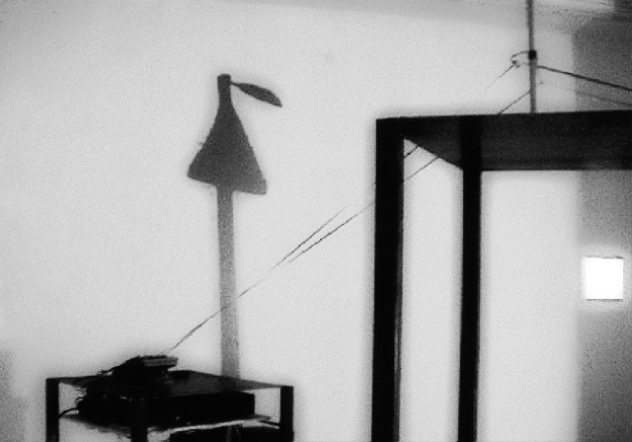
A hacked, stretched-out C90 tape loop records and replays the sound of the gallery space, slowly degrading as memory, machine, and room fold into each other.
Selected projects: a chronology of various artworks, installations, instruments, hardware and software tools and systems, and music and theatre work. The balance of the type of outputs has always shifted from year to year, between visual and sonic work, interactive and linear forms, etc.; shaped by varying opportunity and by trying to realise ideas in their most appropriate form. If you don't see a project below, try the gallery of algorithmic and procedurally generated work here.
A hacked, stretched-out C90 tape loop records and replays the sound of the gallery space, slowly degrading as memory, machine, and room fold into each other.
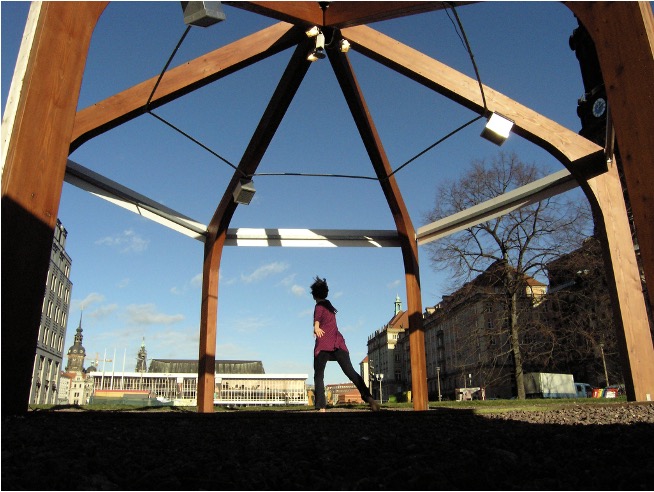
A telematic installation created with TMA Dresden, linking Coventry and Dresden, using networked sound and image to make physically distant spaces feel shared and strangely intimate.
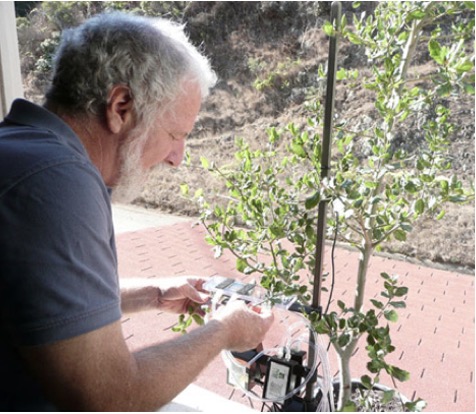
Real-time tree sensor data becomes sound, reframing ecological information as an embodied, audiovisual encounter in the present moment rather than something distant, slow, or hidden.
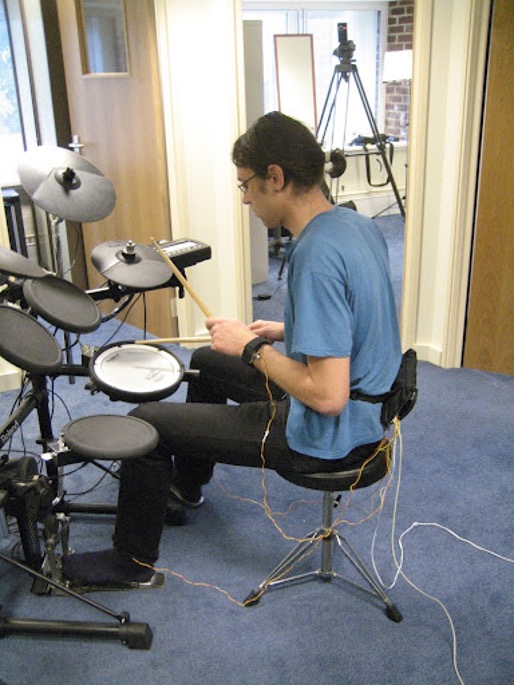
A wearable learning system using vibrotactile feedback to support rhythmic patterns, timing, and limb independence through the body.
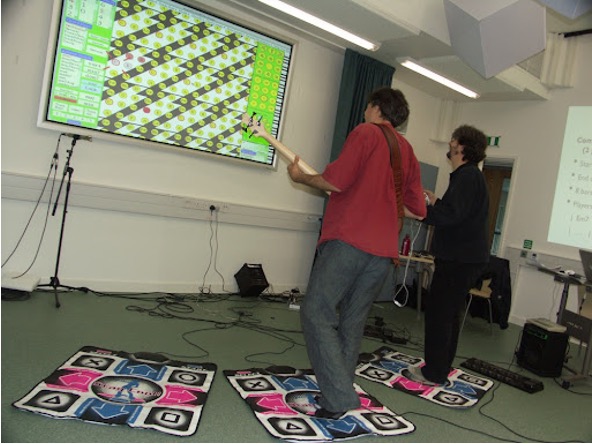
Whole-body interaction makes harmonic movement spatial and embodied, turning abstract musical relationships into navigable terrain.
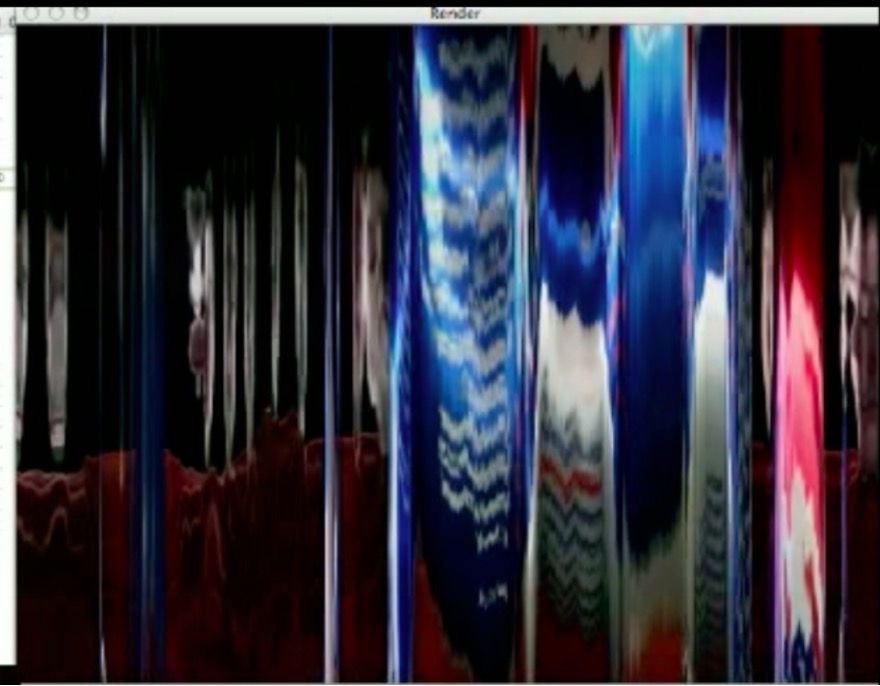
A camera-controlled audiovisual performance instrument based on slit-scan-style image processing driving 2nd-order granular synthesis and spatialisation processes.
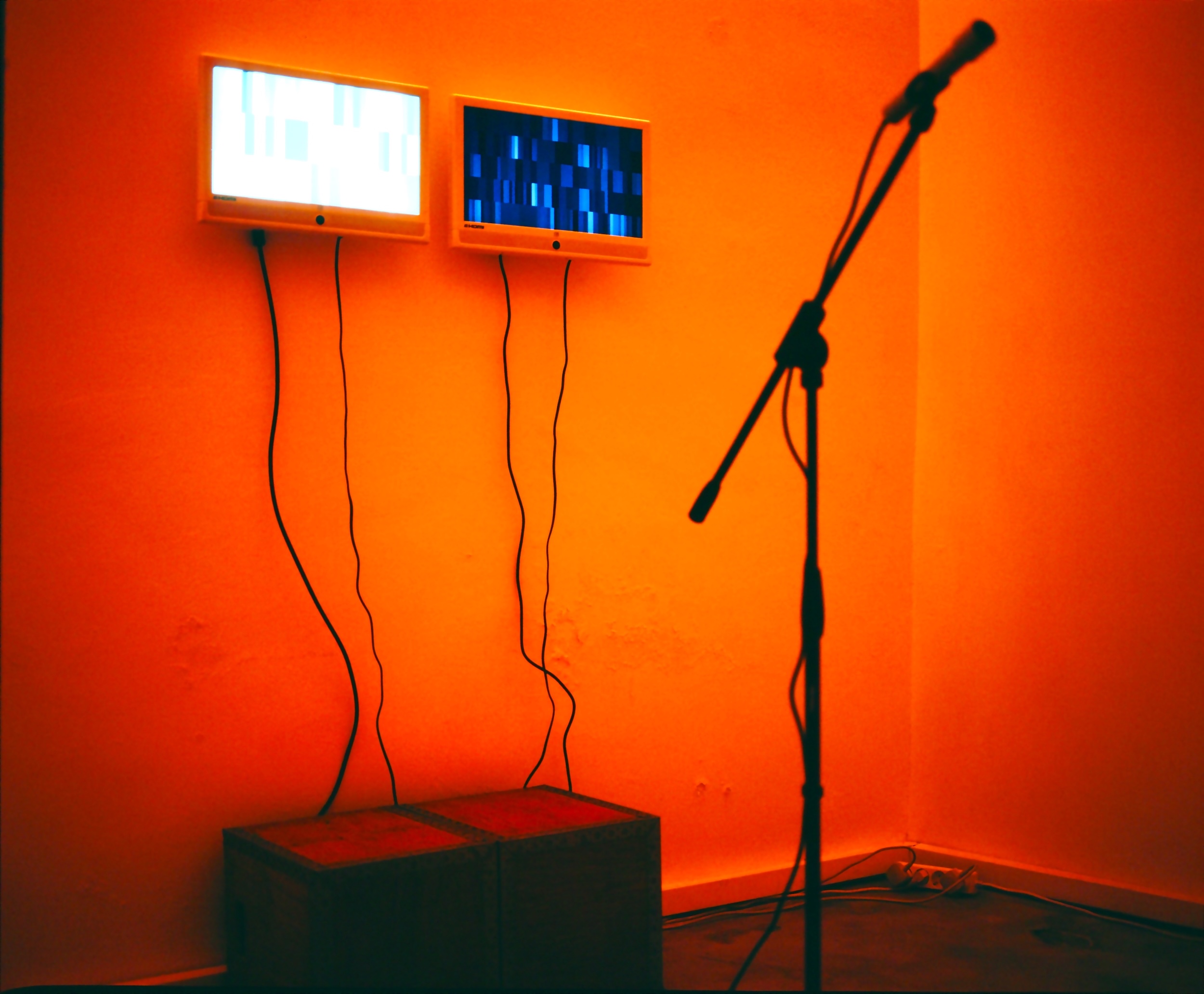
An audiovisual installation shown in The Ends of Art at Beton7, Athens, translating live sound pickup into image, and image back into sound, in an endless loop across and shaped by the gallery space.
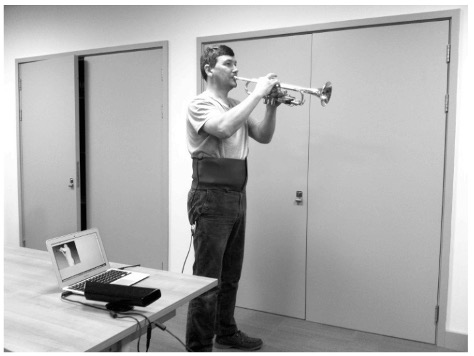
A system for trumpet player practice that performs real-time posture analysis and then, if needed, uses a combination of haptic and visual feedback to encourage better posture in order to minimise future injury and maximise sonic qualities.
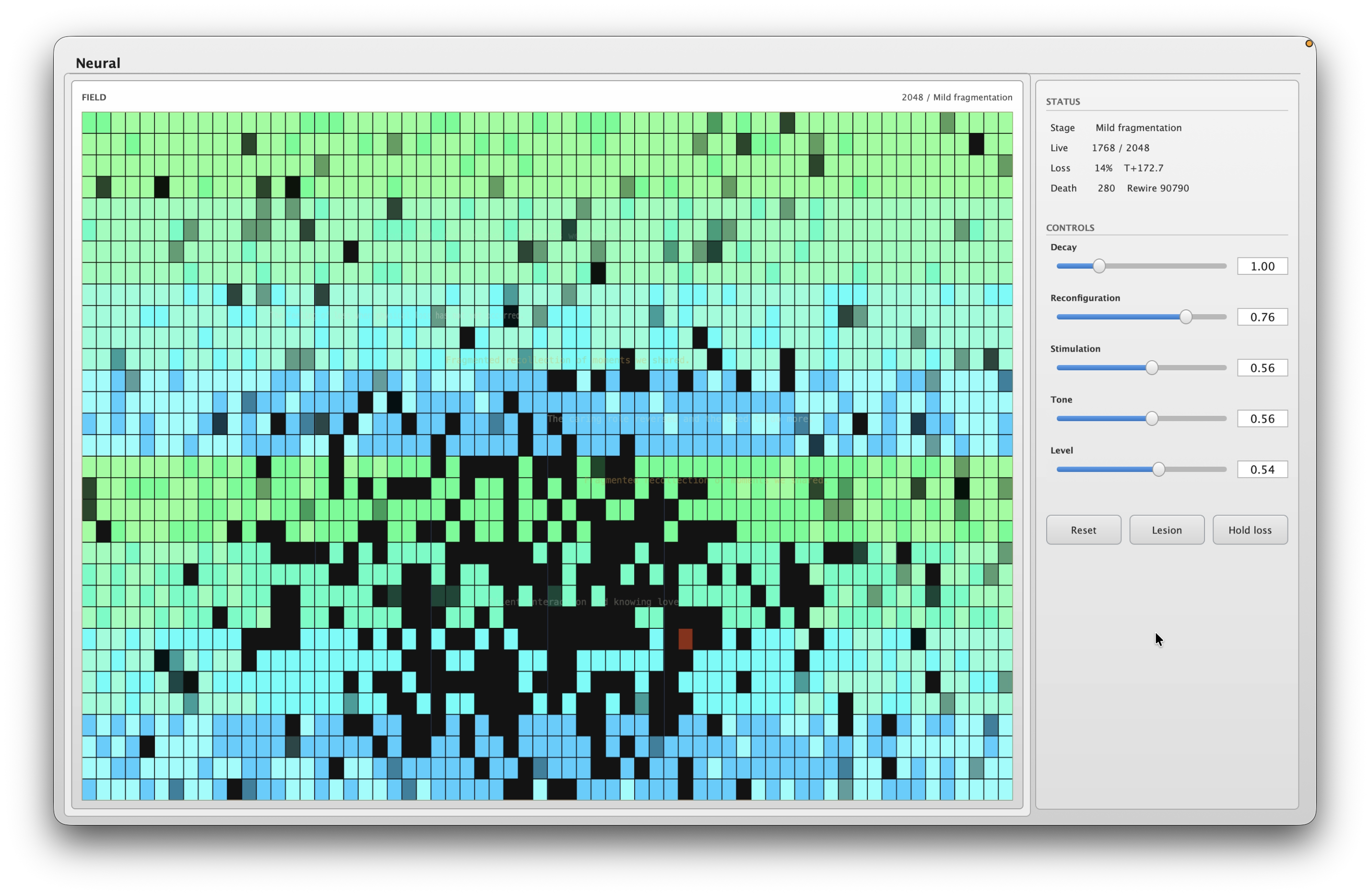
A neural net (2048 × 2048 neurons) generates synthetic audio as it slowly deteriorates over time, thereby translating processes of neurologically-inspired decay into sound. Created for an exhibition at Wolverhampton Art Gallery of contemporary glass by Melissa Nicholls inspired by CT scans of patients living with dementia. The software was updated in 2024 to ensure 32-bit compatibility.
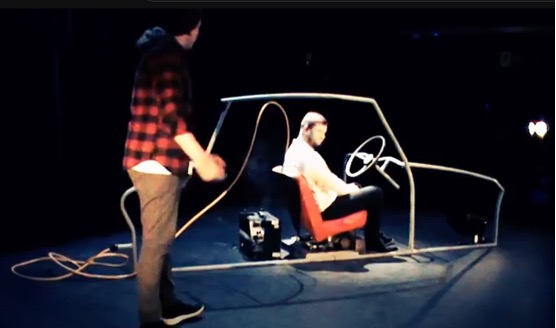
A theatre sound project that explores the supplementation and replacement of audio description with ambient sound design, via a play, Bert (written by Dave Pitt and directed by Neil Reading), created for blind and visually impaired audiences and performed at the Arena Theatre, UK.
A retelling of the film Four Weddings and a Funeral from a slow, post-anthropocentric perspective, made during the COVID-19 lockdowns entirely from reprocessed found and locally gathered footage.
A NIME project that reimagines instrument design through bodily difference, player need, and hybrid affordances.
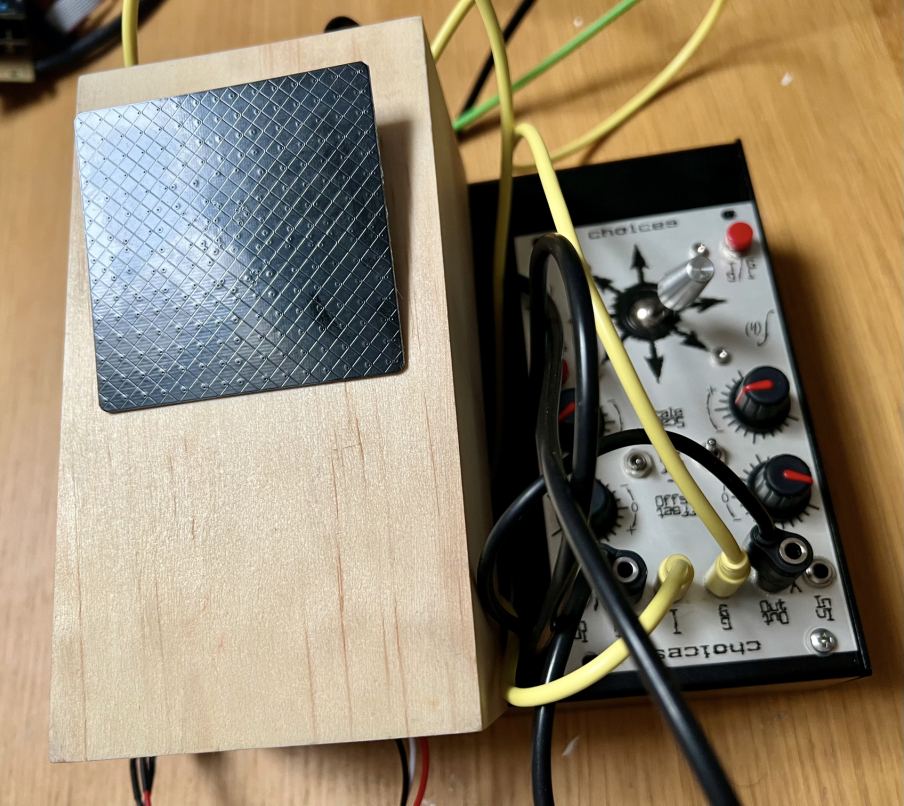
An album of synthetic audio, created in the Python programming language, in which sound emerges from the interplay between extreme precision and the perpetual threat of collapse.
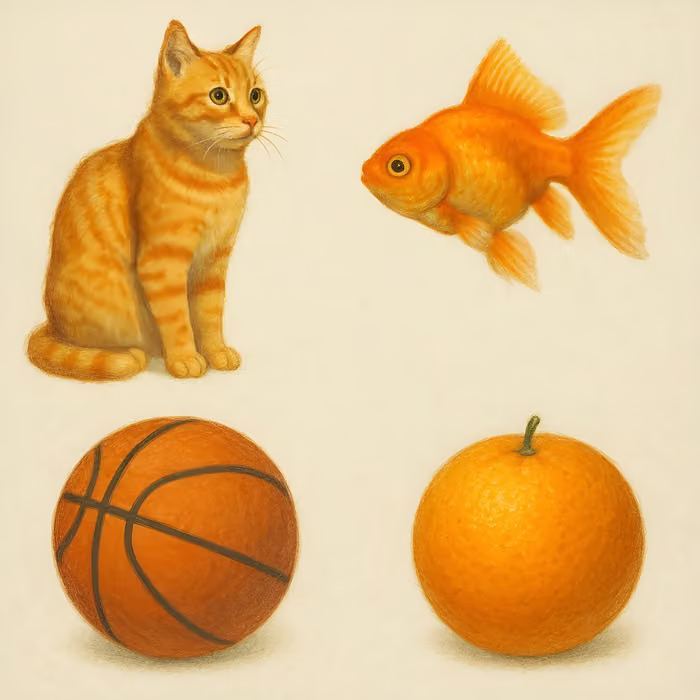
Influenced by Bachelard’s assertion that “our house is our first universe,” but framed by the political atmosphere of post-Brexit Britain, satpaths maps the complex paths of human-made satellites passing above the author’s home. Colour-coding these according to launch country, the work considers how ideas of nation persist even in a space without borders, while also asking whether outer space can still be imagined as a site of utopian possibility.
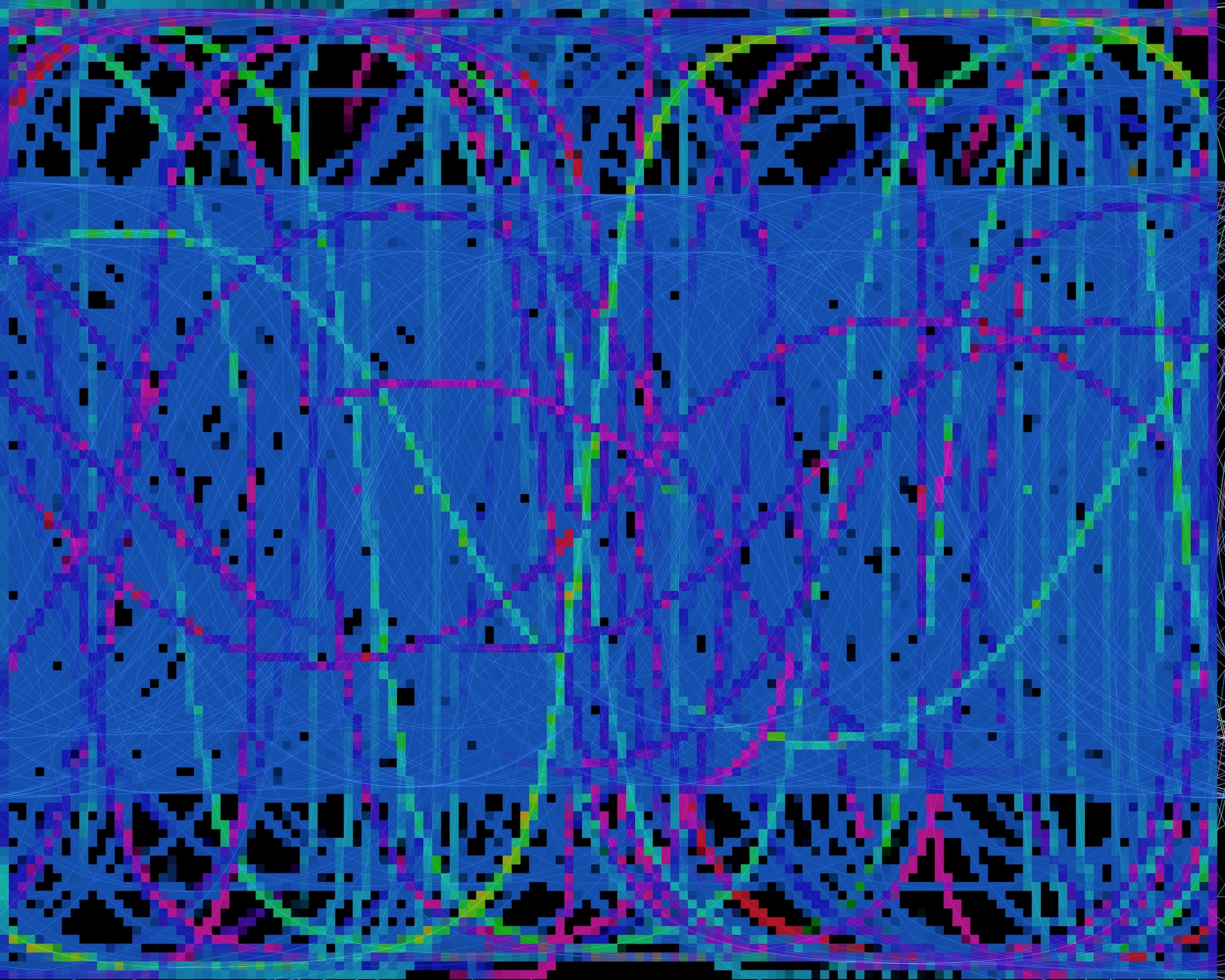
Self-navigating, cybernetics-inspired bots explore how localised locomotion asymmetries can reshape spatial use, navigation, and possible histories of AI.
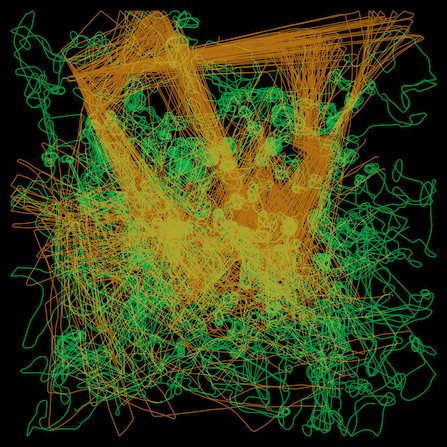
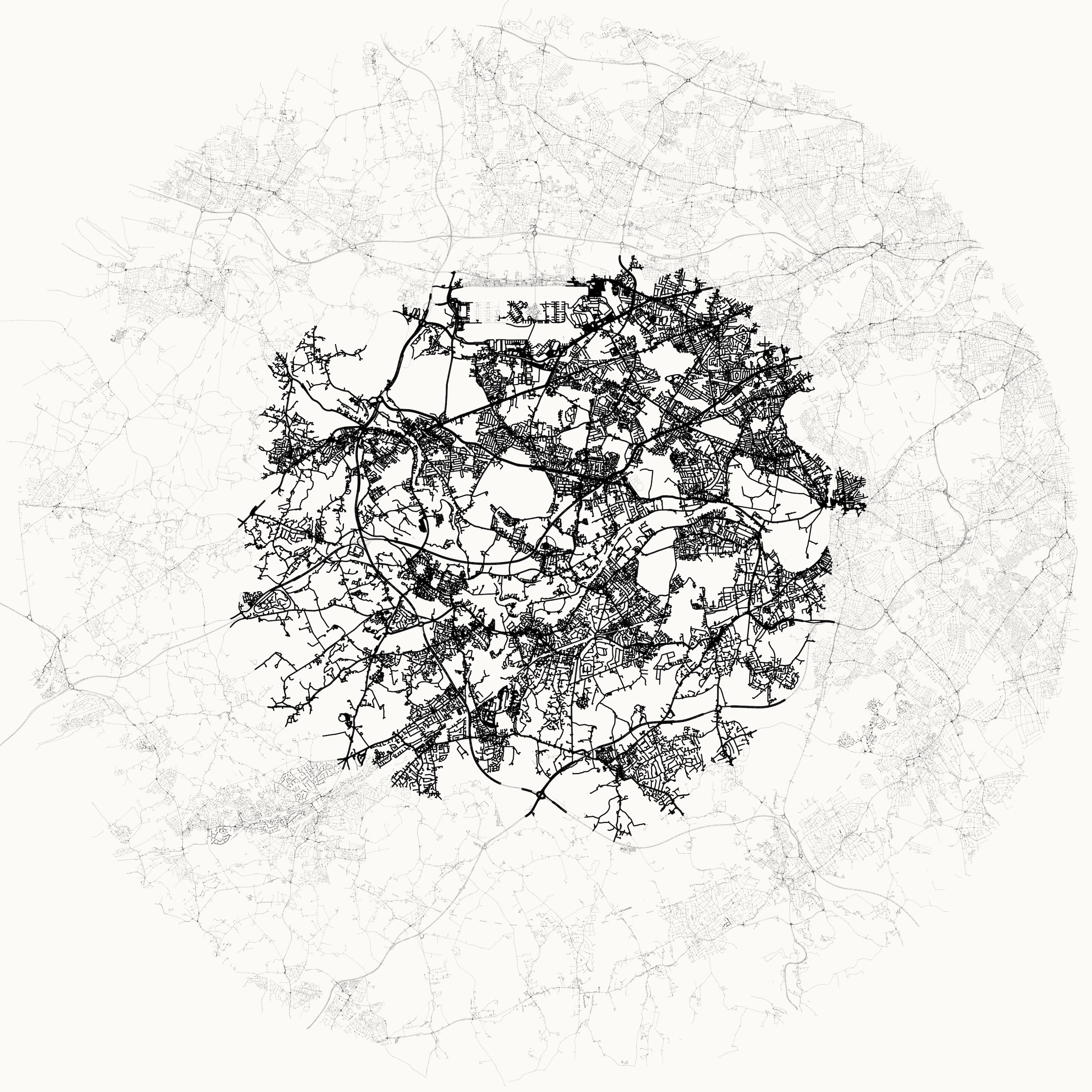
In The Ultimate City (1976), Ballard confronts a post-fossil-fuel world directly, while across his wider fiction he repeatedly returns to landscapes shaped by consumption, pollution, entropy, and post-industrial climate collapse. Building on previous work concerned with the assumptions that spaces make about the human body, and the cumulative exclusions these assumptions can produce, the knotted, claustrophobic lines of Last Litre City try to hold together two increasingly urgent but disparate realities: the material pressures of climate change, and the difficulty of imagining low-carbon existence from the position of mobility-related disability. Created near Ballard's long-time home in an outer-London suburb poorly connected by suitable public transport, the work reframes Moreno’s 15-minute city with ambivalence - for some bodies, less an easily and quickly attainable utopia than, without care and involvement, a risk of further geography of exclusion.
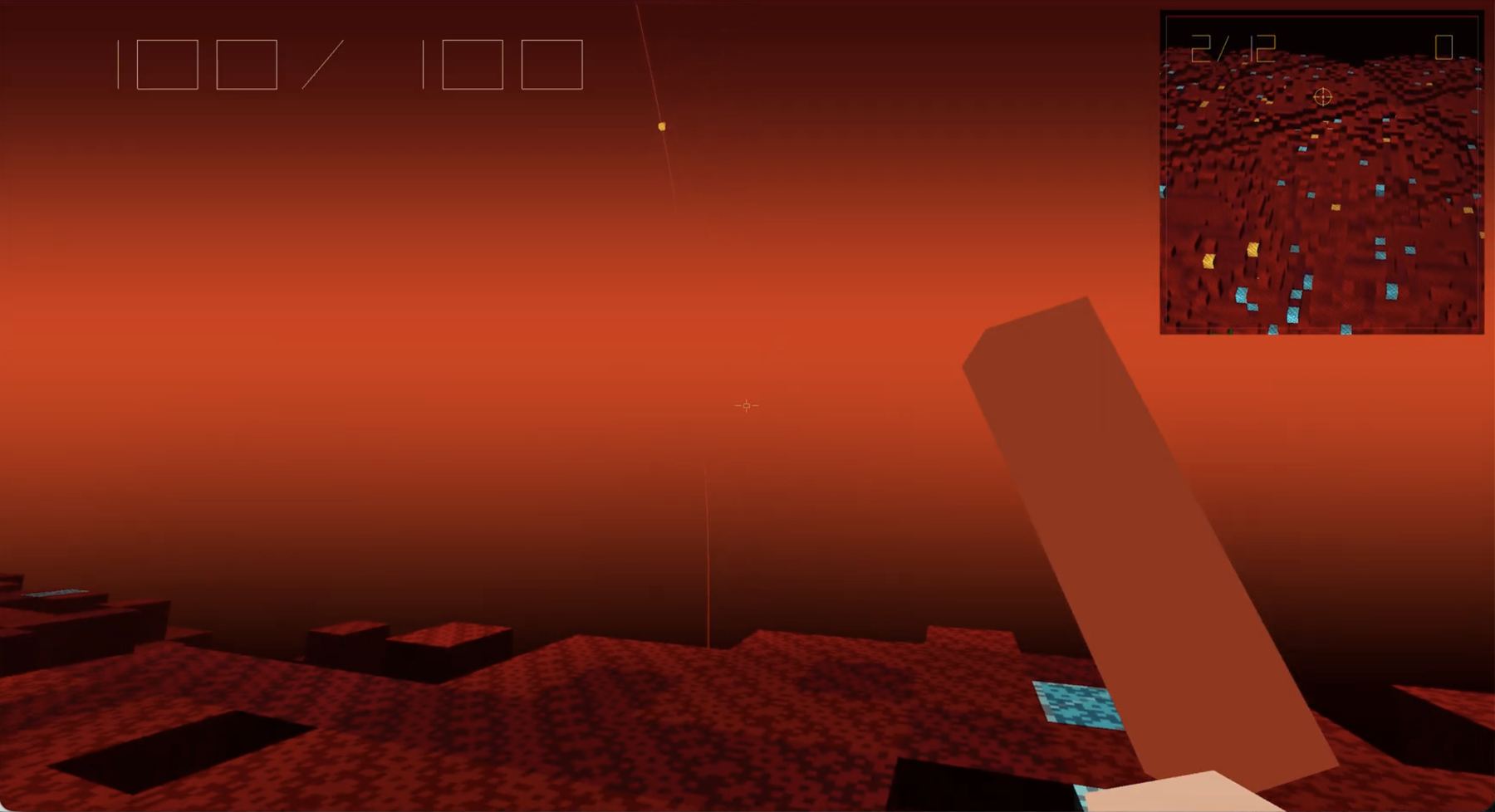
InterPlanetary 3D is a voxel-based local two-player duel inspired by Minecraft, Worms, trench warfare, Ukrainian drone strikes, British atomic-shelter leaflets, and the opening sequence of David Lynch’s Eraserhead. Built with GLFW and modern OpenGL, it features four cube-planet types (bleak, desert, green, and brutalist), each with its own resources, and an orbiting satellite camera. Players begin on opposite faces, with optional forcefields to limit digging.
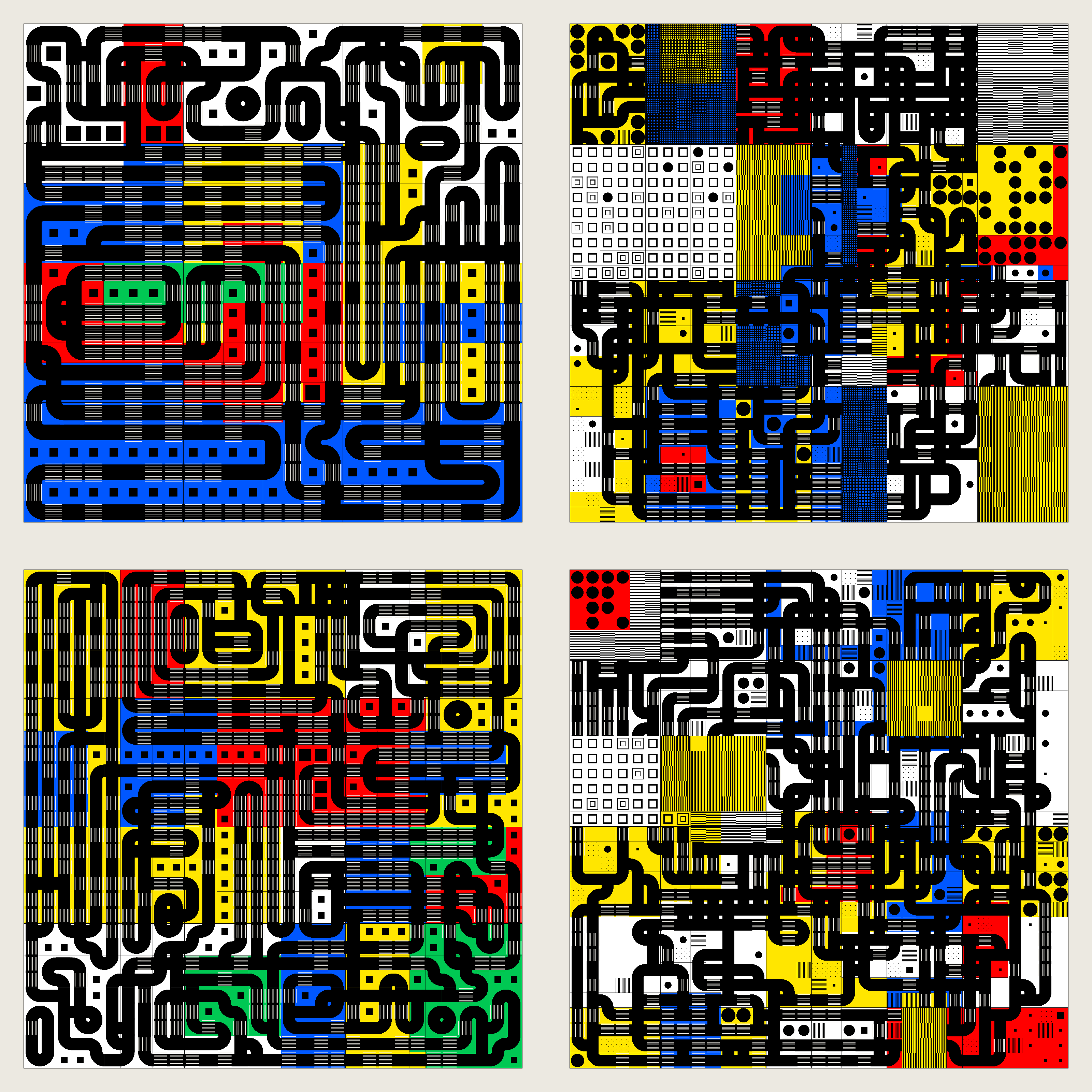
This work uses a shared generative algorithm to move between, and fuse, the visual languages of modernist architecture, video game dungeons, and the rule-based art of Sol LeWitt’s wall drawings. In doing so, it examines how abstract and supposedly neutral systems of generation can carry embedded assumptions that may become exclusionary when the specifics of context are not considered, and warns against illusions of algorithmic neutrality.
ChucK-ME provides a structured, graphical framework for music creation with the ChucK programming language, then can transform (render) the generative playback into a DAW-ready arrangement of WAV files. This transformation is integrated and seamless - no external ChucK application or process is required.
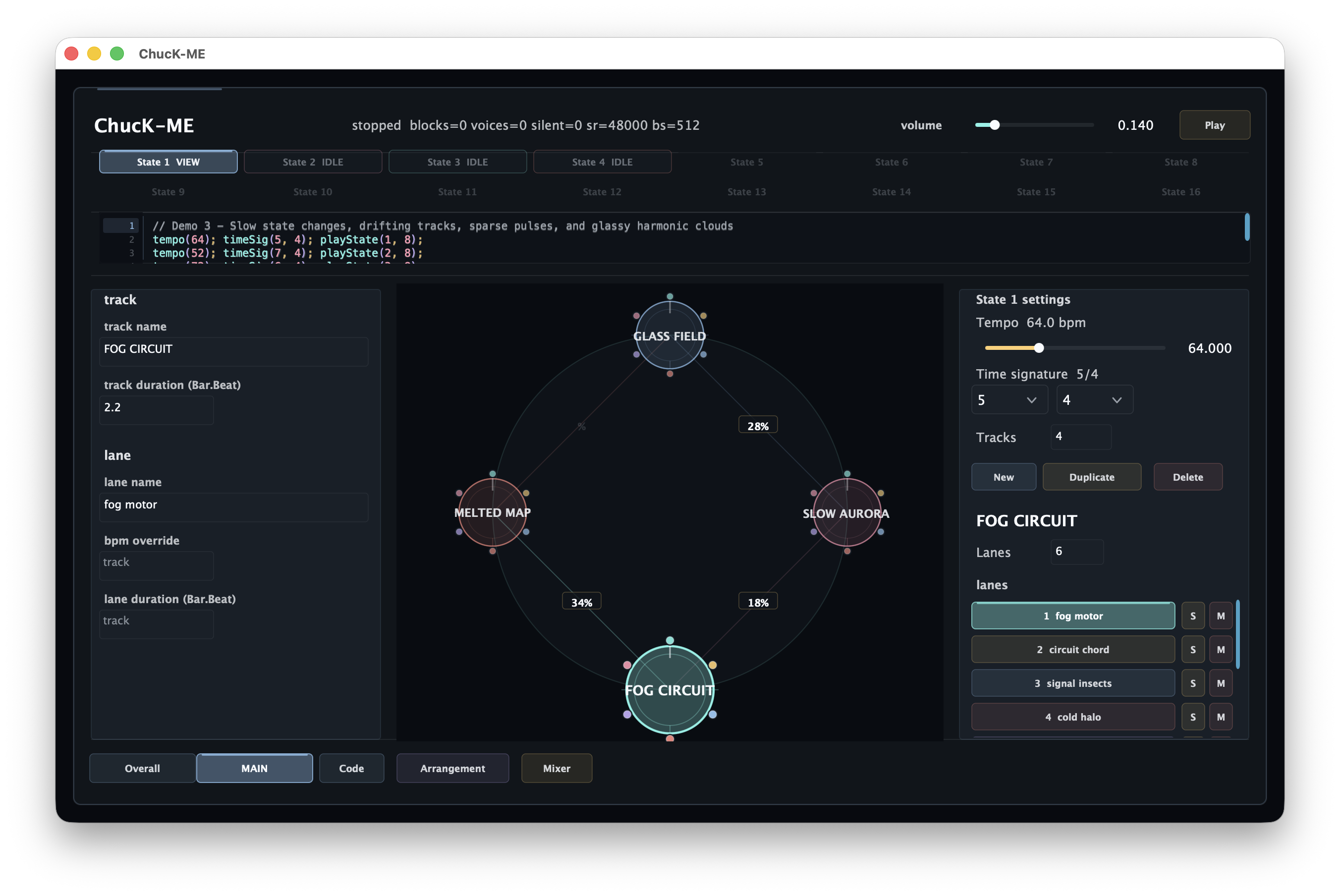
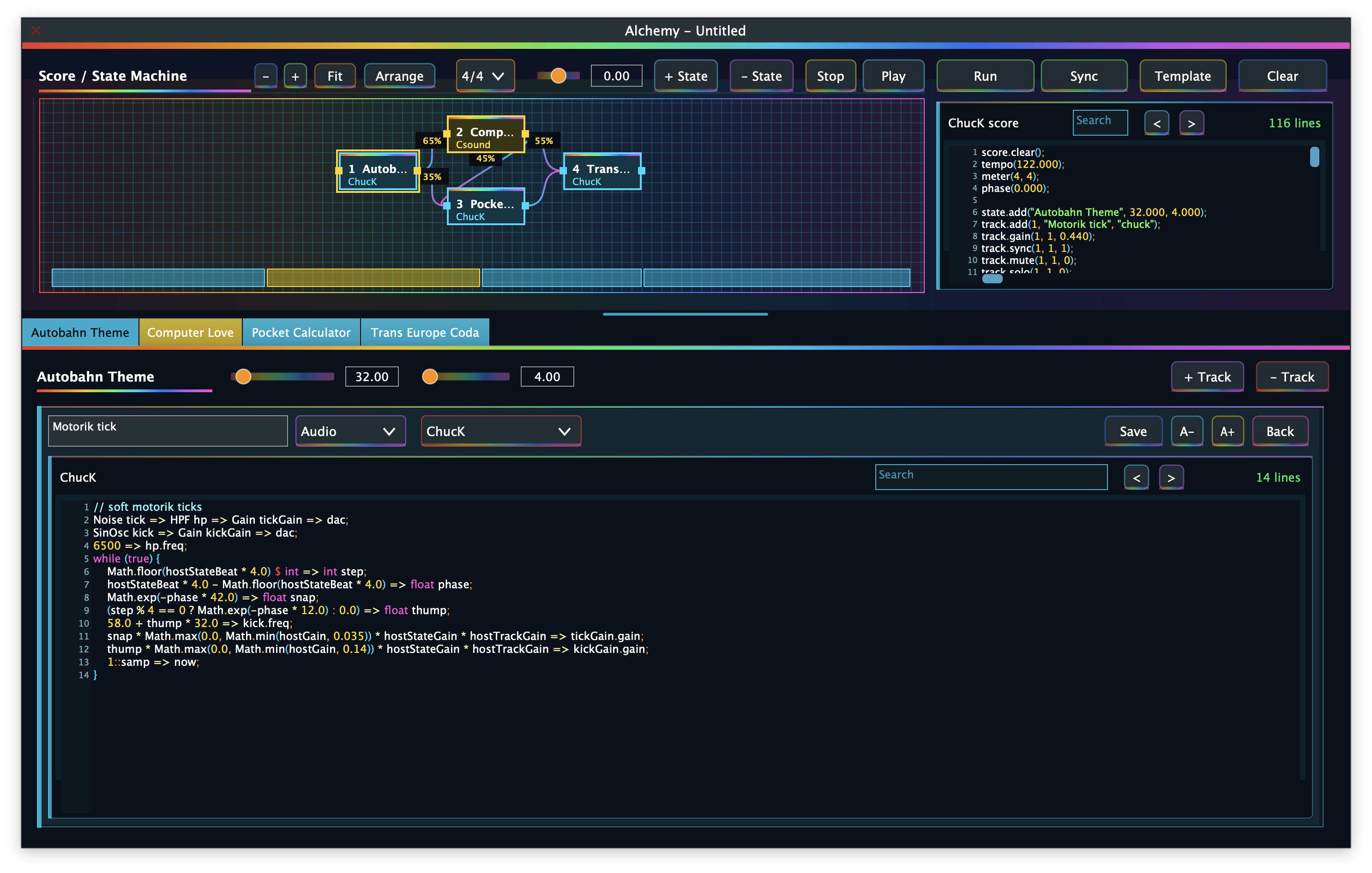
Alchemy is a Mac app for building generative musical systems from structured states and tracks in ChucK, SuperCollider, Csound, RTCmix, Faust, or any combination of these. Users can design linear or probabilistic state transitions through code or a GUI, then render the resulting, usually fluid systems as fixed WAV stems for further editing, mixing, and mastering in any DAW. Part of the OtherWare series of music creation software.
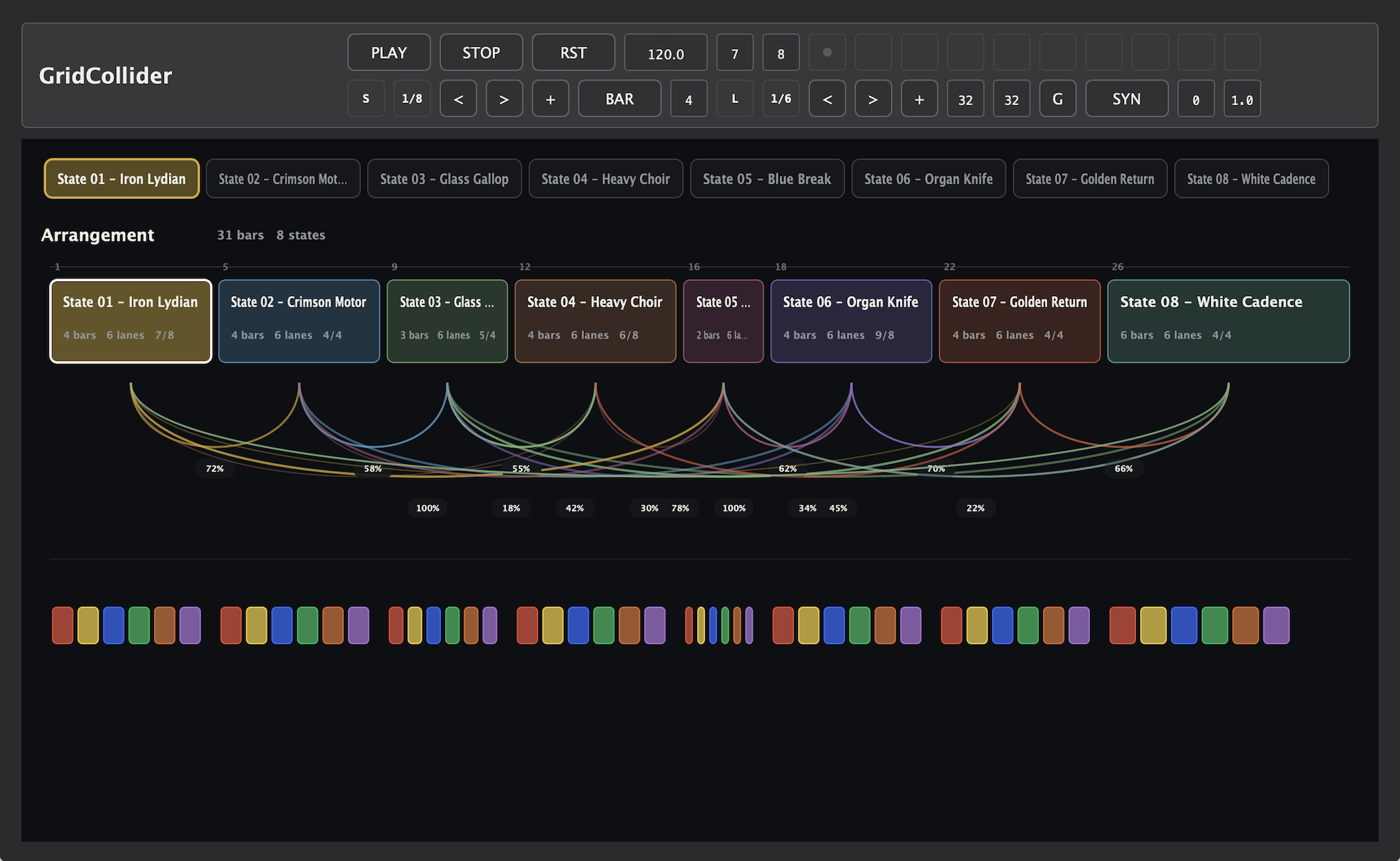
A grid-based sequencing and arrangement tool for shaping musical states, transitions, and patterns using any combination of visual programming language (Orca) and text-based programming language (SuperCollider). Part of the OtherWare series of music creation software.
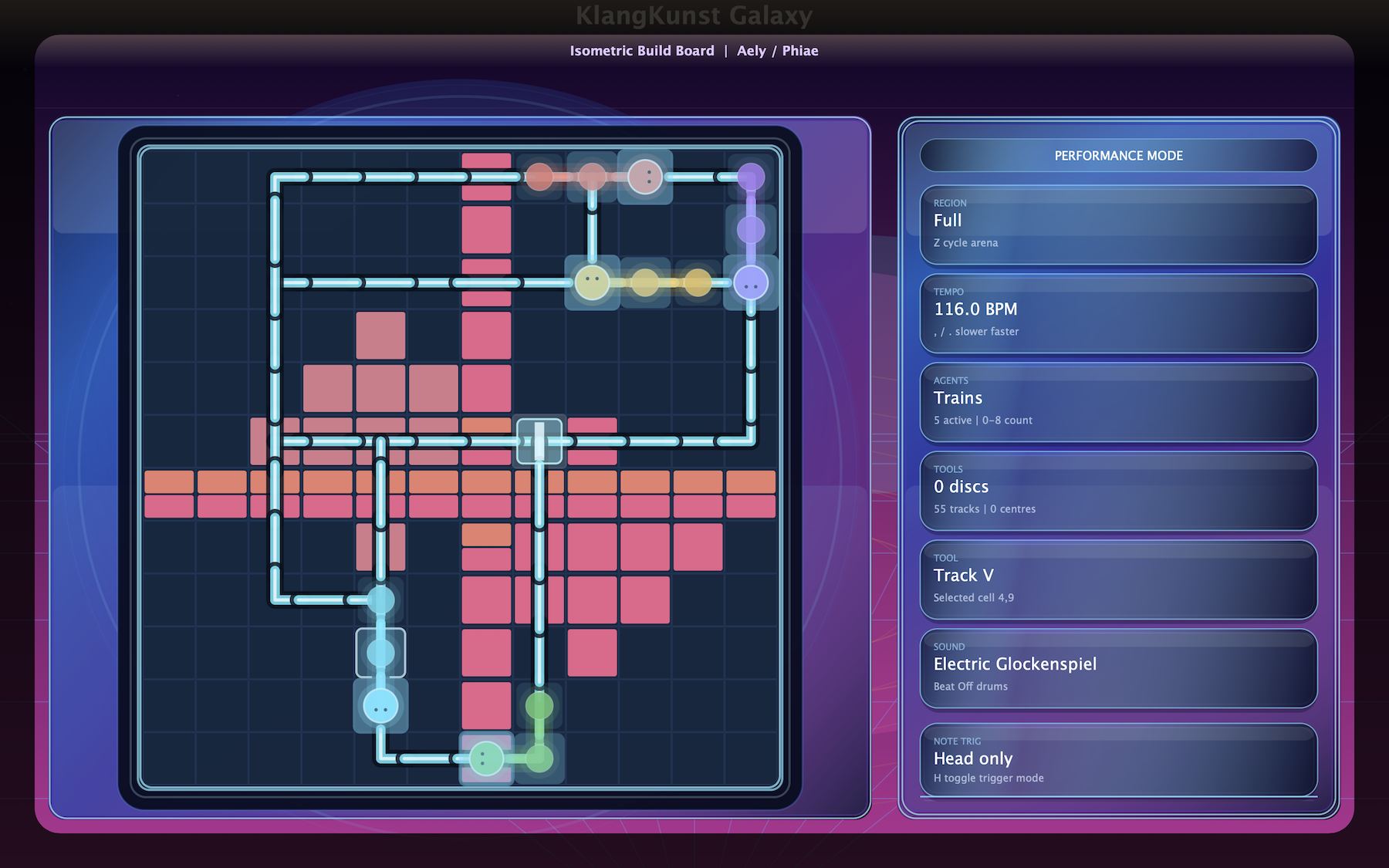
KKG is the third in a series of video game prototypes that are part musical instrument, part sound toy, and part architectural sandbox. In KKG you explore a virtual galaxy and build on and perform with the colourful planets you find. Each planet has its own distinct systems for building and performing. Building modes include the isometric building mode from the original KlangKunst, a Minecraft-like first person construction mode, a tetris-like mode, and a mode based around multi-layered cellular automata. Performance modes include snake, trains, droplet, Tenori-on-like sequencer, and beam. All changes that you make are persistent, and a dedicated logbook helps you keep track of where you have visited and what you have created.
A series exploring James Tenney's algorithm for "crystal growth in harmonic space", sequenced by my Tenney-inspired Crystals AU MIDI FX plugin. The gentle piano sound is passed through two instances of my all-pass filter plugin in series for a further soft-focus effect, while the strings are processed by my MMVE reverb plugin - a fairly unusual morphing delay/reverb with octave up and down shifting.
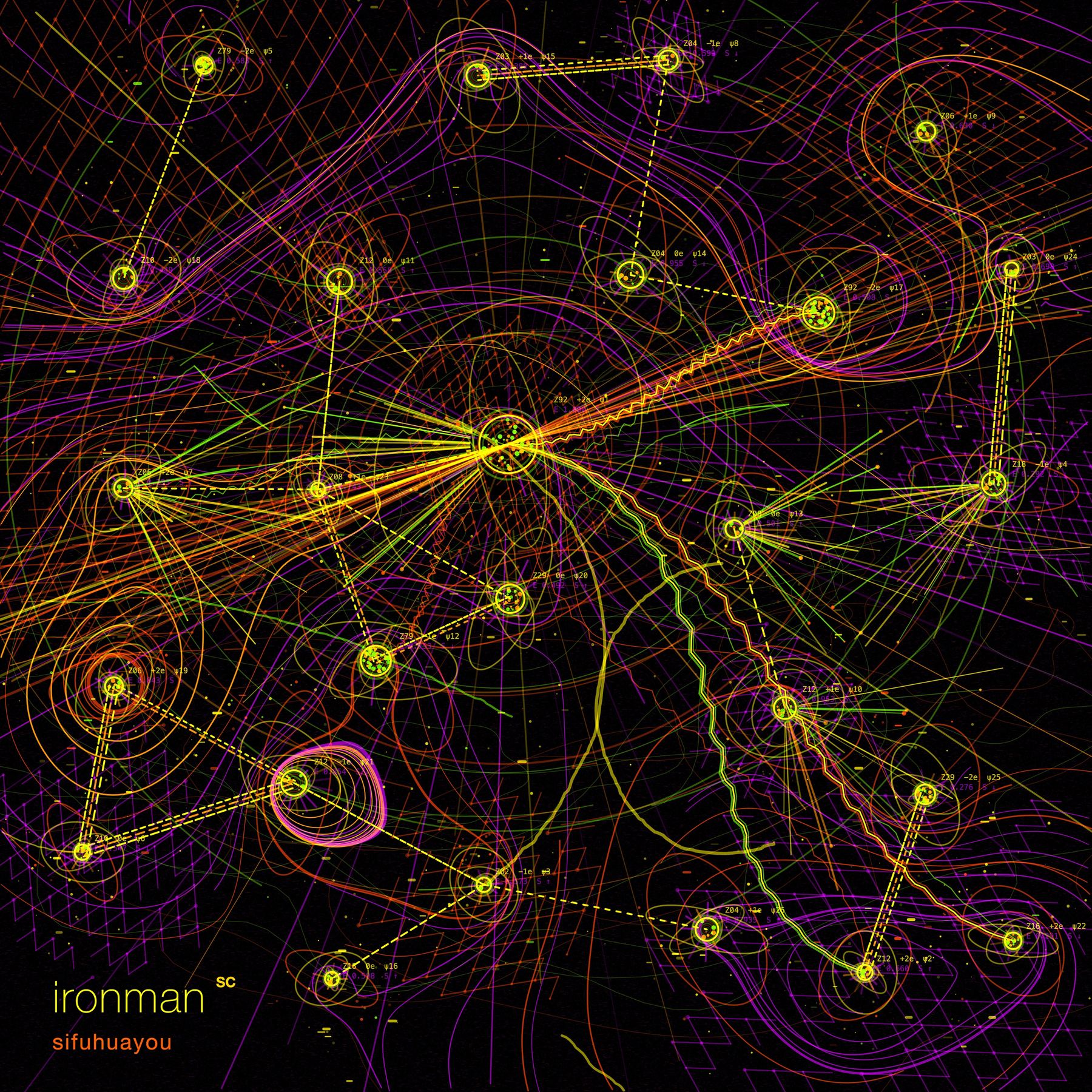
An album-length synthetic audio work released on Bandcamp as ironman SC. Watch the video for the title track.
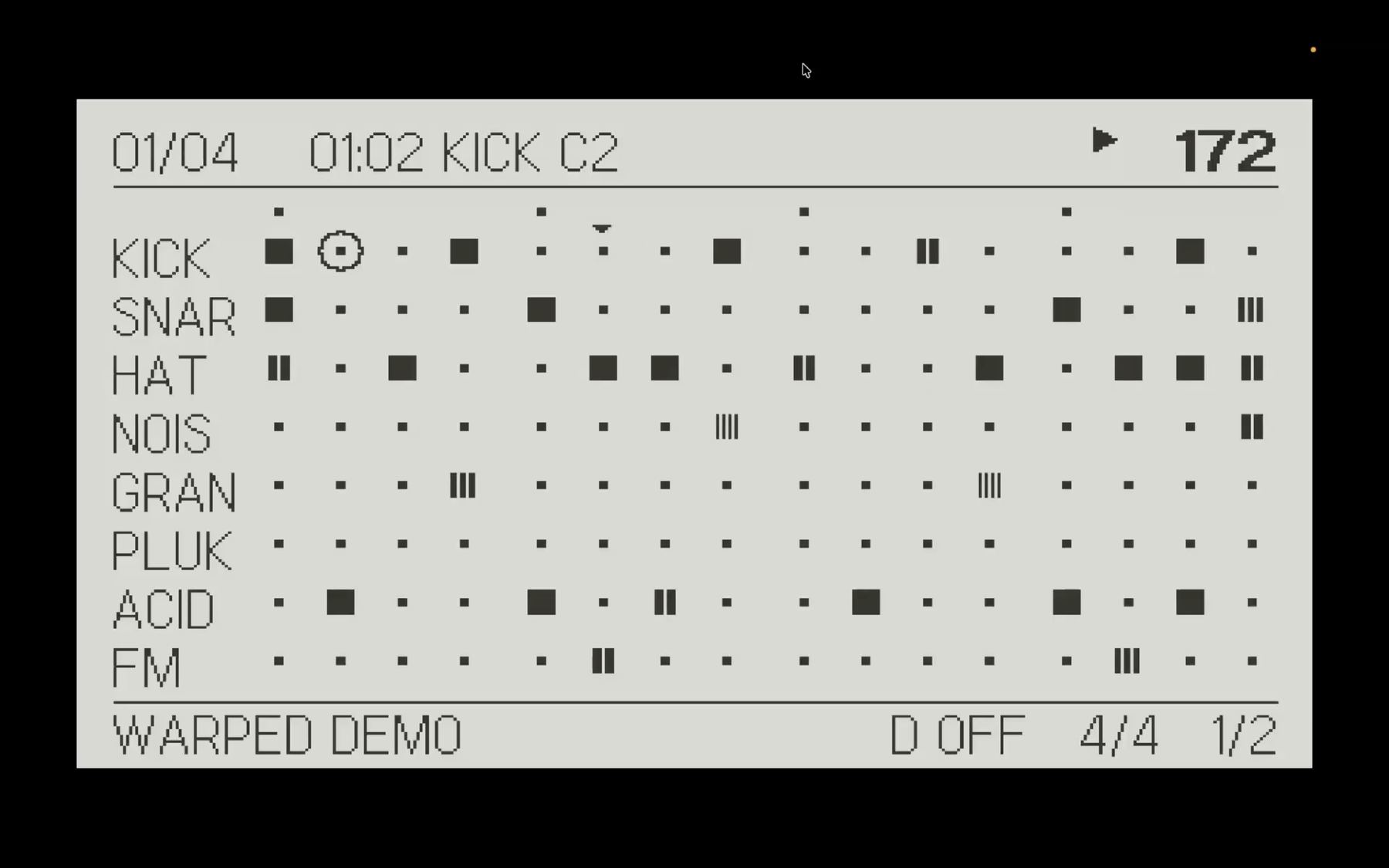
A music-making application for the Panic Playdate console, using the handheld's minimal 1-bit screen and unique controls for a compact, multi-page sequencer with probabilistic and generative capabilities. Audio is entirely synthesized (procedurally generated) based on a port of the SuperCollider audio engine, allowing the app and user-created songs to be only a few kilobytes to a few tens of kilobytes in size.